
What is it like living in Estepona, Spain?
I’ve been living in Estepona for nearly four years now.
If you’re thinking about moving to Estepona, or even just visiting, this guide will give you a real and honest overview. The good bits. The practical bits. And the things you should know before making the leap.
Let’s get into it.
Cost of Living in Estepona
Property Prices and Rent
Property in Estepona is not cheap anymore. And it’s rising.
Rent for a two or three bedroom apartment is usually around €1,000 – €1,500 per month. In popular areas like the Old Town, it can be more.

Buying property has also gone up significantly:
Estepona is evolving fast. More people are discovering it. And prices reflect that.
Utilities and Local Taxes
Utilities are reasonable.
Expect somewhere between €60 and €200 per month depending on family size and air conditioning use.
Council tax is much cheaper than in the UK. And you can see where the money goes. The town is clean, well maintained, and constantly improving.
Groceries and Eating Out
Food quality is excellent.
Fruit and vegetables are fresher than most UK supermarkets. And generally cheaper.
The Fish is also very fresh.
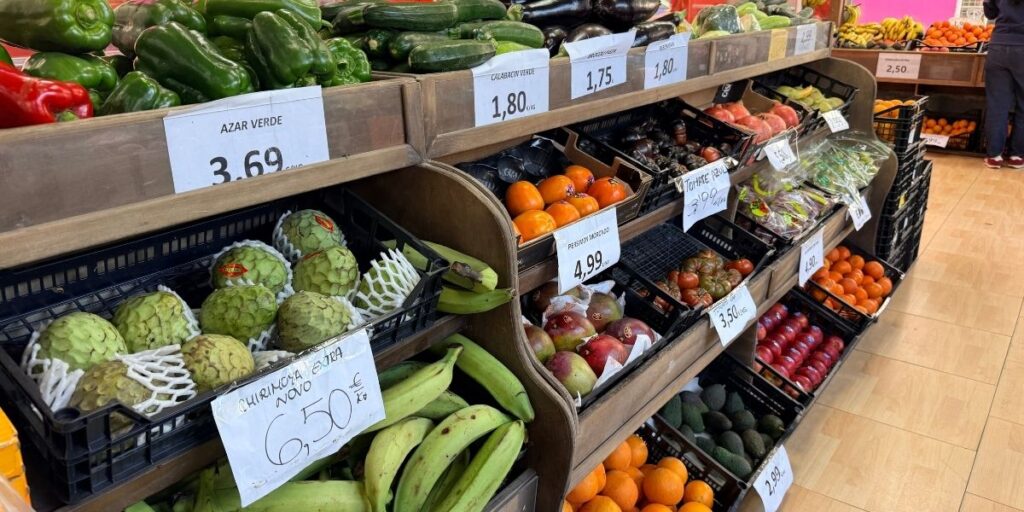
You can eat out very affordably if you choose wisely.
A menu del día costs around €10 to €15 for three courses.
For a family of four, a meal out usually costs between €50 and €100 including drinks.
A small beer costs around €1.50 to €3 depending on location.
There are also plenty of independent butchers, fishmongers and produce shops offering great quality at fair prices.
What Daily Life Feels Like
Life in Estepona is slower.
More relaxed.
People spend more time outside. Meeting friends. Eating together. Being social.
Late Dinners
One of the biggest adjustments is eating late.
Dinner at 9pm or even 10pm is normal in Spain.

If you’re used to eating at 6pm, it takes time to adapt. Especially if you have children.
But it makes sense. Afternoons are hot. The day naturally shifts later.
Mornings become the best time to get things done.
Long Lunches and Evenings
Weekend lunches often start at 1pm and last until 4pm or later.
People sit. Talk. Eat Tapas. Relax.
Sitting outside eating tapas for hours in summer is popular.
In the evenings, the Paseo becomes busy again around 8pm or 9pm. Families are out. Children are playing. People are enjoying the evening sun. It feels alive.
Fiestas and Local Culture
Estepona loves a celebration.

Some of the biggest events include:
During these festivals, the whole town turns out.
Be aware that many shops close during fiestas, although supermarkets like Carrefour usually stay open.
It’s part of Spanish culture. And honestly, it’s one of the best parts of living here.
Bureaucracy and Paperwork
Spain loves paperwork.
If you’re British and staying longer than 90 days, you’ll need the correct visa.
You’ll likely deal with:
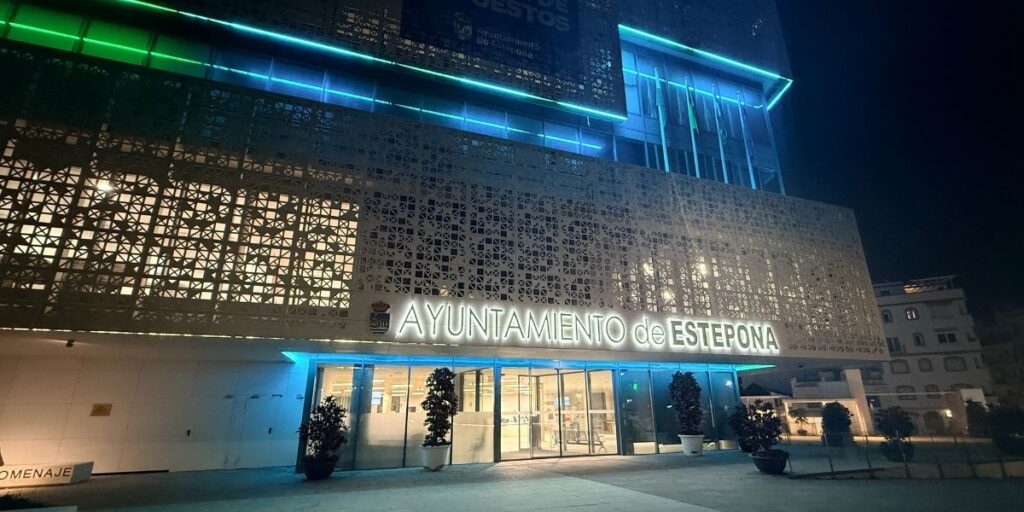
It’s manageable. But it takes patience.
Many people use a gestor to help with paperwork and taxes. It makes life much easier.
There’s also a Digital Nomad Visa if you work remotely.
Learning Spanish in Estepona
You can survive without Spanish.
But life is much better with it.
Taking proper lessons helps massively. Apps like Duolingo are useful for vocabulary, but conversation practice is key.
Be aware of the Andalusian accent. It can take some getting used to.
Transport and Getting Around
You can live in Estepona without a car.
Local buses run regularly and connect to places like Marbella and Málaga.
The Old Town is pedestrianised, so walking is often the best option.
Parking can be tricky. If you’re buying property, consider whether it includes a parking space.
There is also Dott scooters and bikes that you can jump on by simply downloading the Dott app.
Shopping in Estepona
Shopping is mostly independent stores.
You won’t find many big international chains in town.
For larger shopping trips, many people visit La Cañada in Marbella. It has Primark, Apple, JD Sports and more.
Amazon deliveries work well here too.
Weather in Estepona
Summer is hot. Winter is much cooler and there can be long periods of rain.
August can hit 40°C.

There are two types of wind. One brings heat. The other brings a cooler sea breeze.
Winter is mostly sunny but cooler. And when it rains, it can rain for days.
Homes are built to stay cool. That means tiled floors and usually no central heating. In winter, you may need plug-in heaters.
Air conditioning is very useful in summer.
Estepona is Evolving
Estepona is growing quickly.
There is more development. More construction. More visitors.
Some people worry it is becoming too touristy.
Personally, I think it has improved. But if you buy in the Old Town, be aware that construction noise during the week is common.
Social Life and Community
The social side of Estepona is strong.
The port is lively on weekends. Bars and restaurants are busy.
There is a mix of nationalities here. British, Swedish, American, French and many more.
But it still feels Spanish.
Families spend time together. Grandparents, parents and children all out in the evenings.
There is a strong sense of community.
I’ve personally found it easy to meet people through school, Spanish lessons and simply being out and about.
Final Thoughts: Is Living in Estepona Worth It?
For me, yes.
It’s not perfect.
Property is expensive. Paperwork takes time. Summers are hot.
But the lifestyle. The weather. The community. The food.
It’s special.
If you’re thinking about moving to Estepona, come and spend some time here first. Get a feel for it.
You might fall in love with it too.

Share your thoughts and help others!